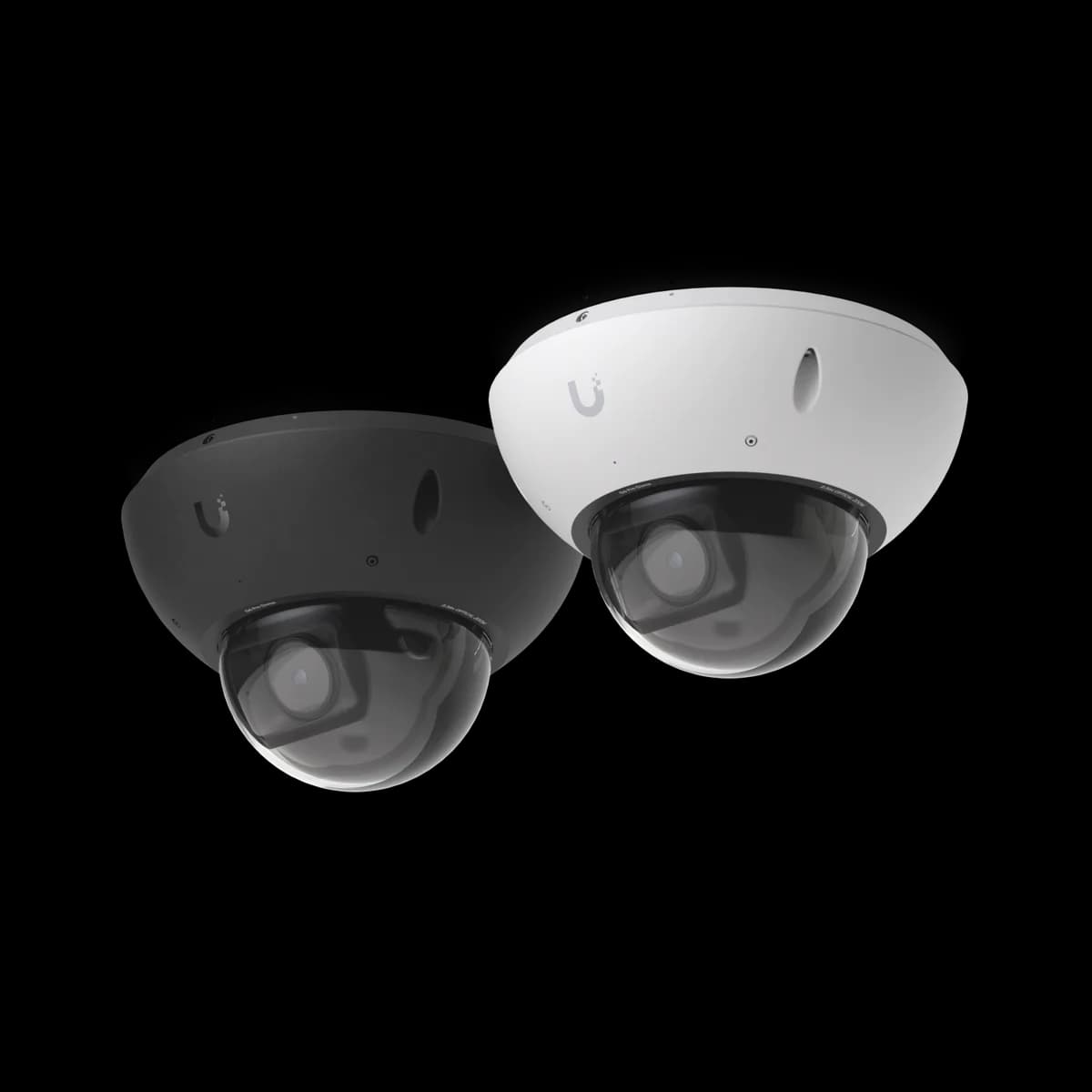
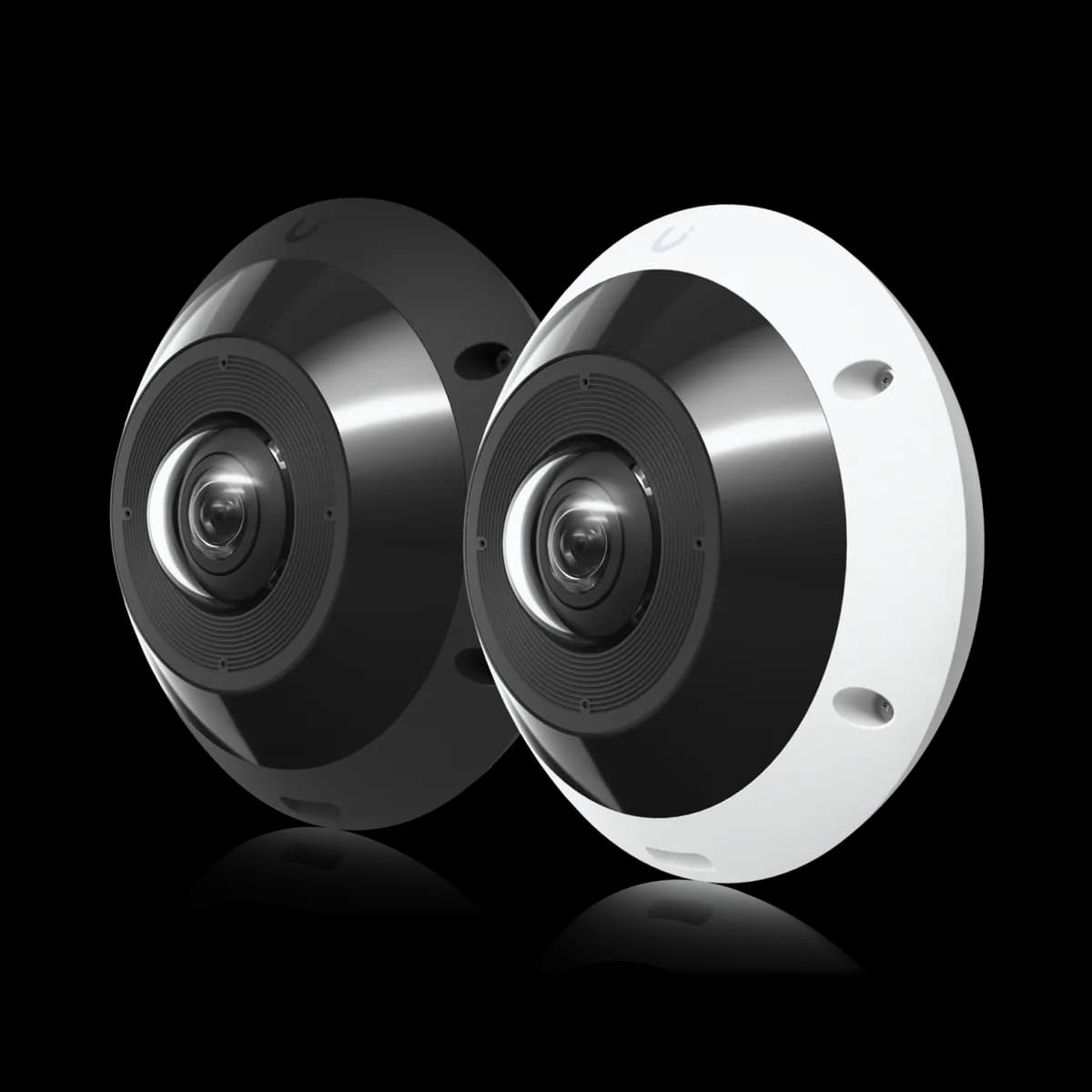
Buying Guide

How to Choose a UniFi Protect Camera

A decision guide to the four UniFi Protect G6 cameras — Instant, Bullet, Turret, and PTZ — across form factor, indoor vs outdoor, IR range, power, and storage.

Which UniFi Protect camera should I buy?

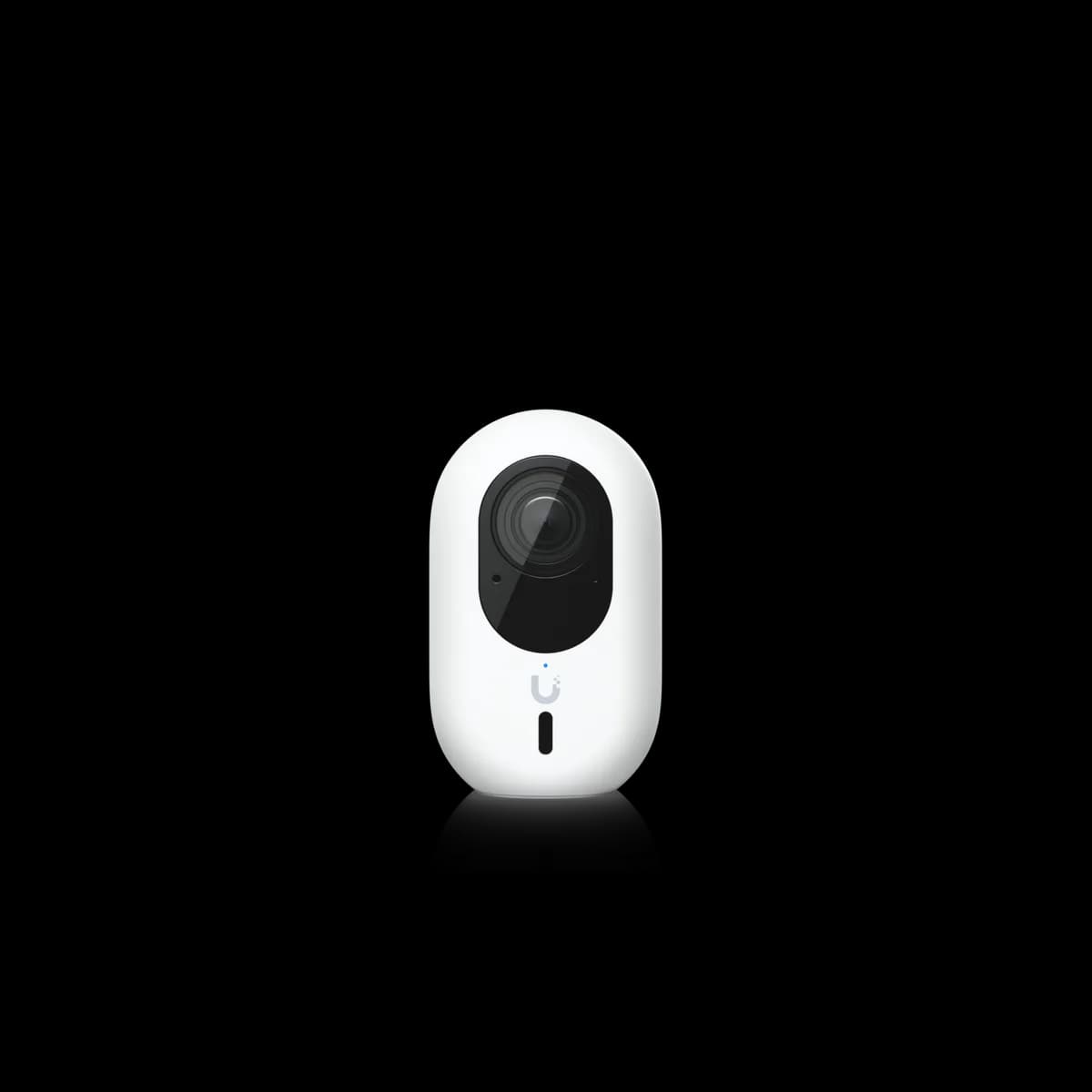
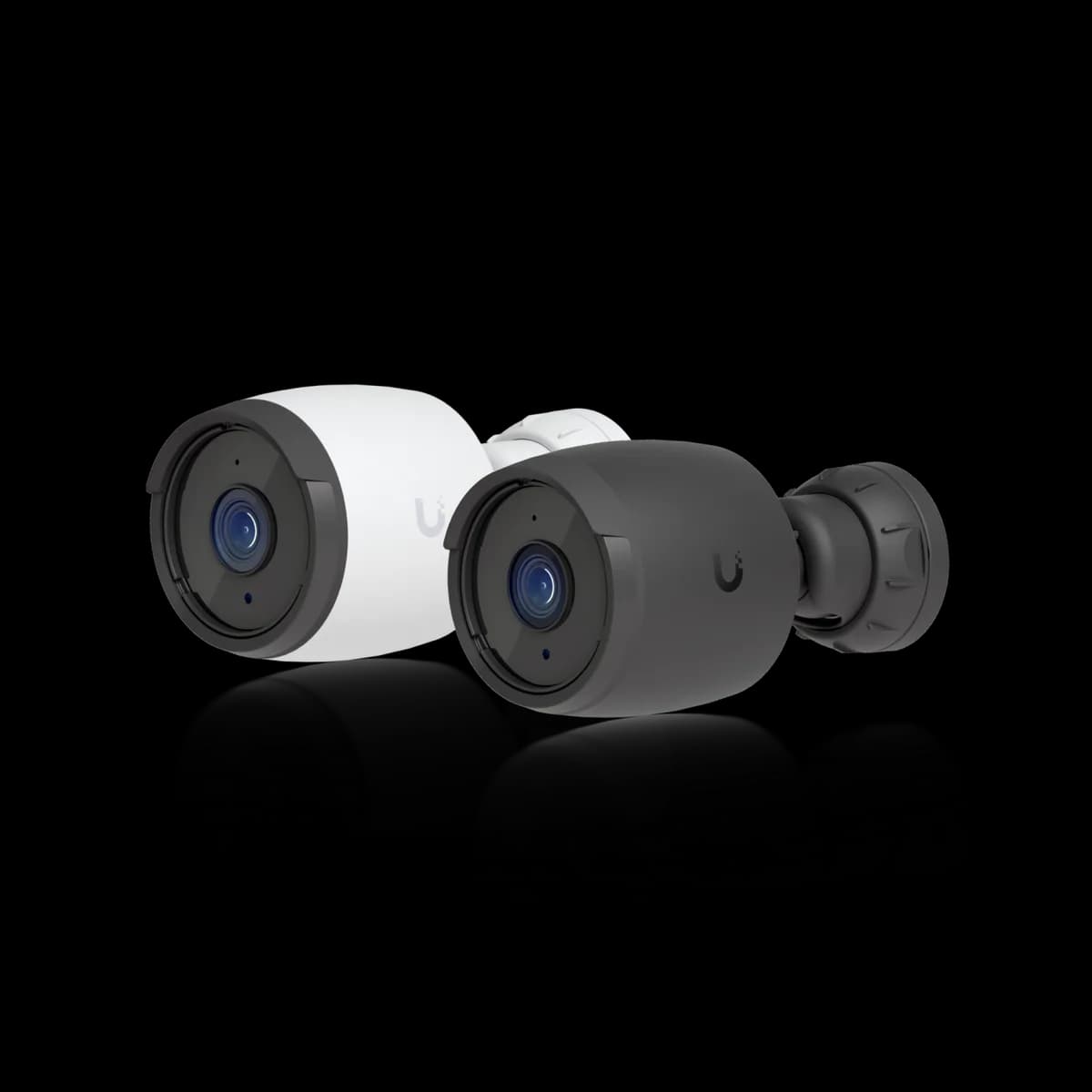
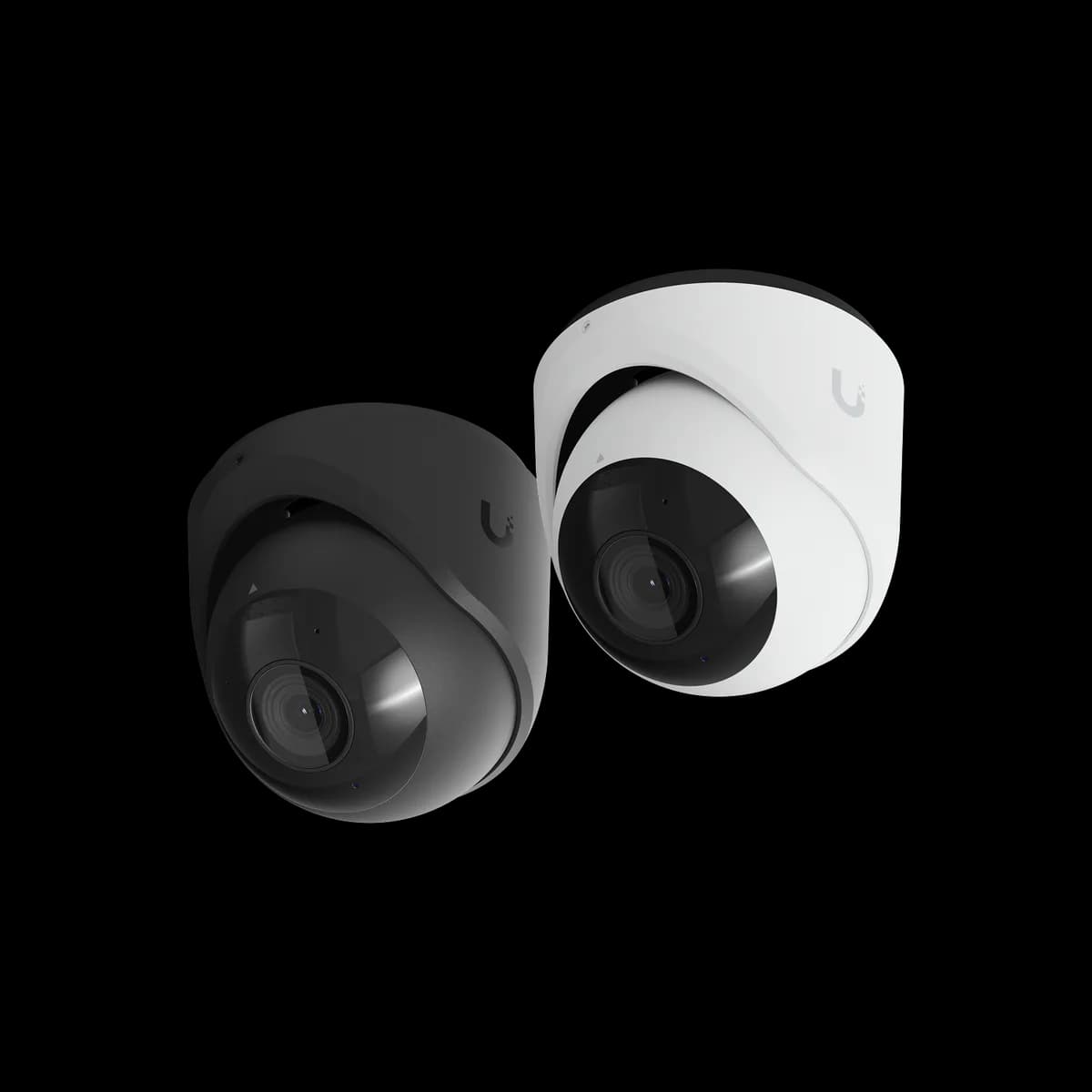
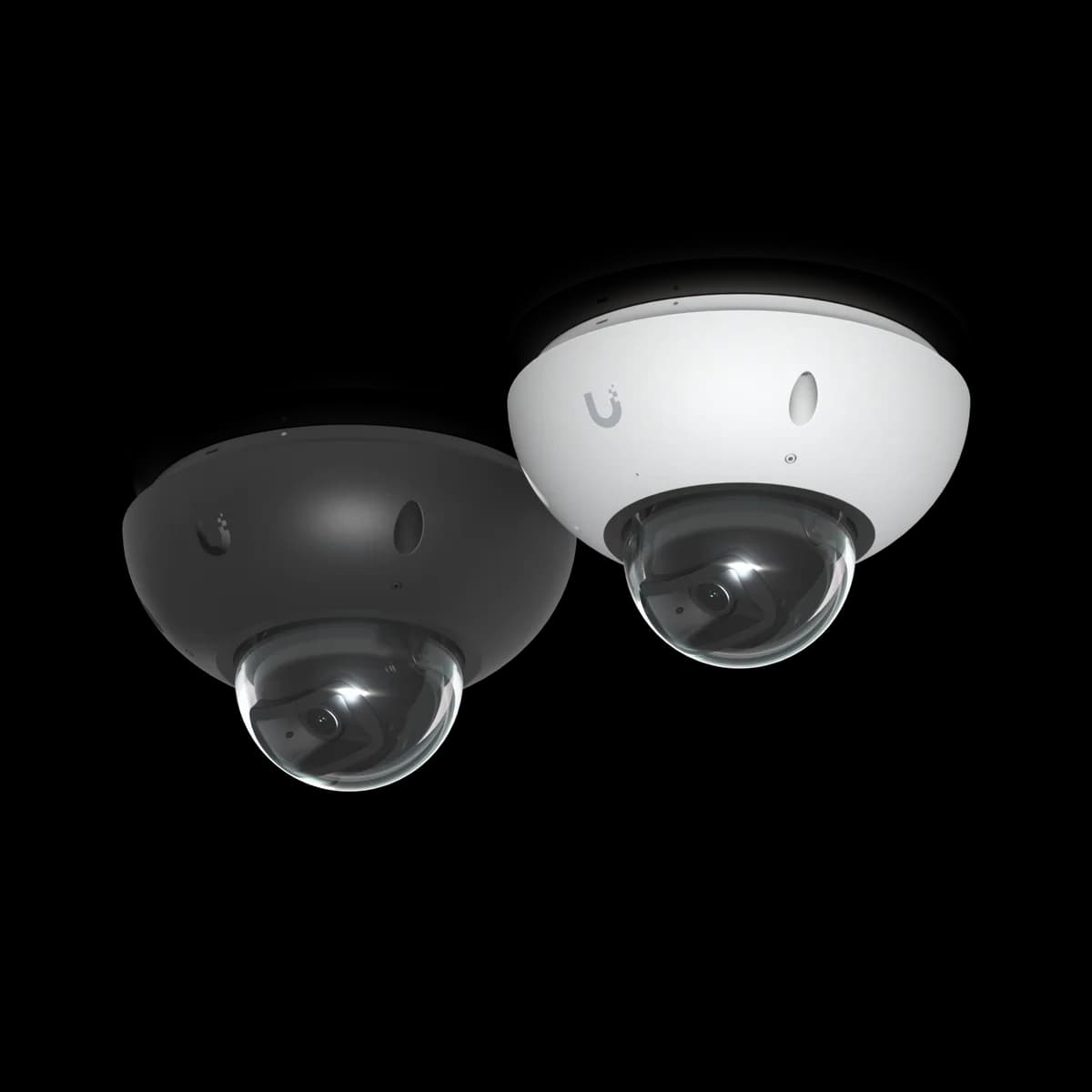
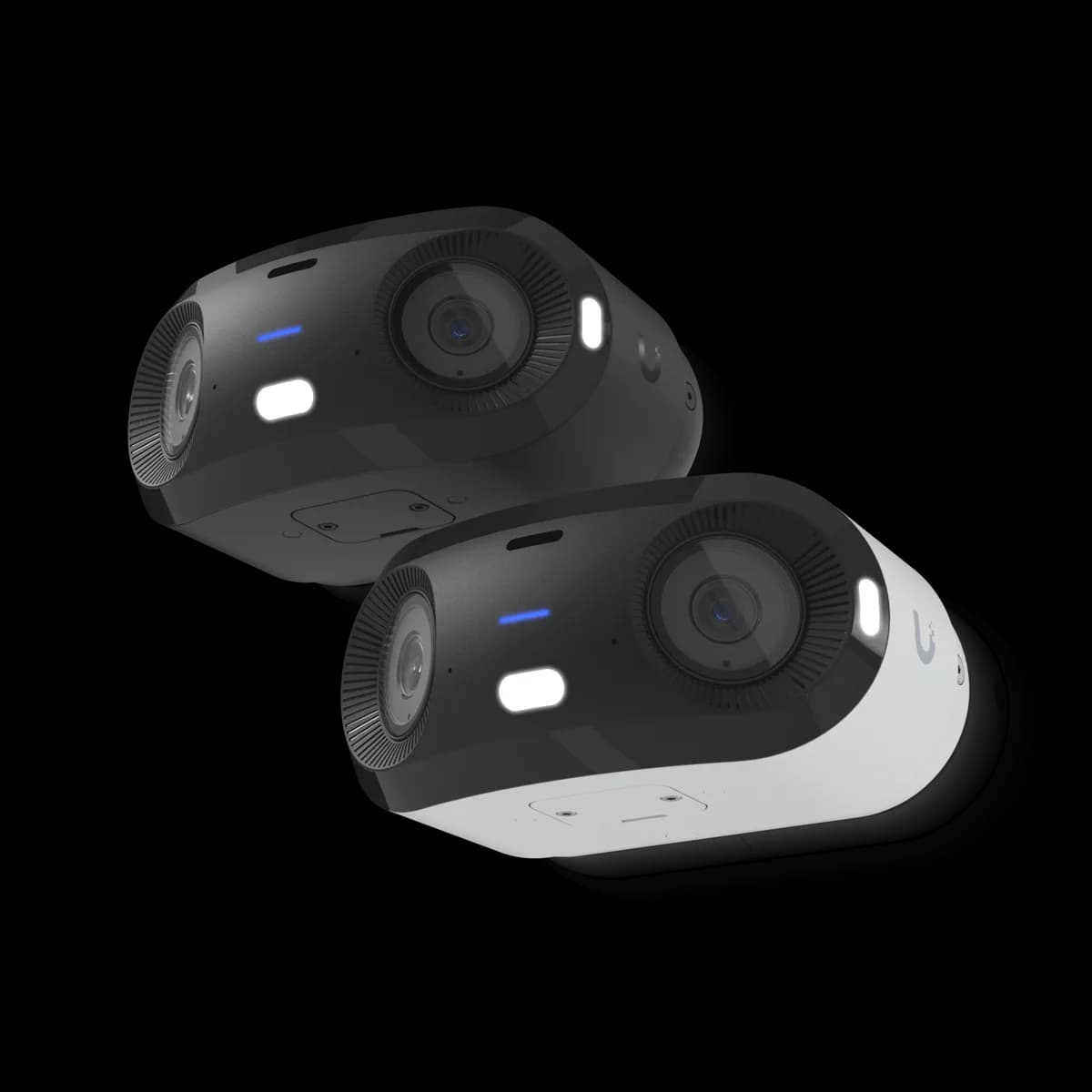
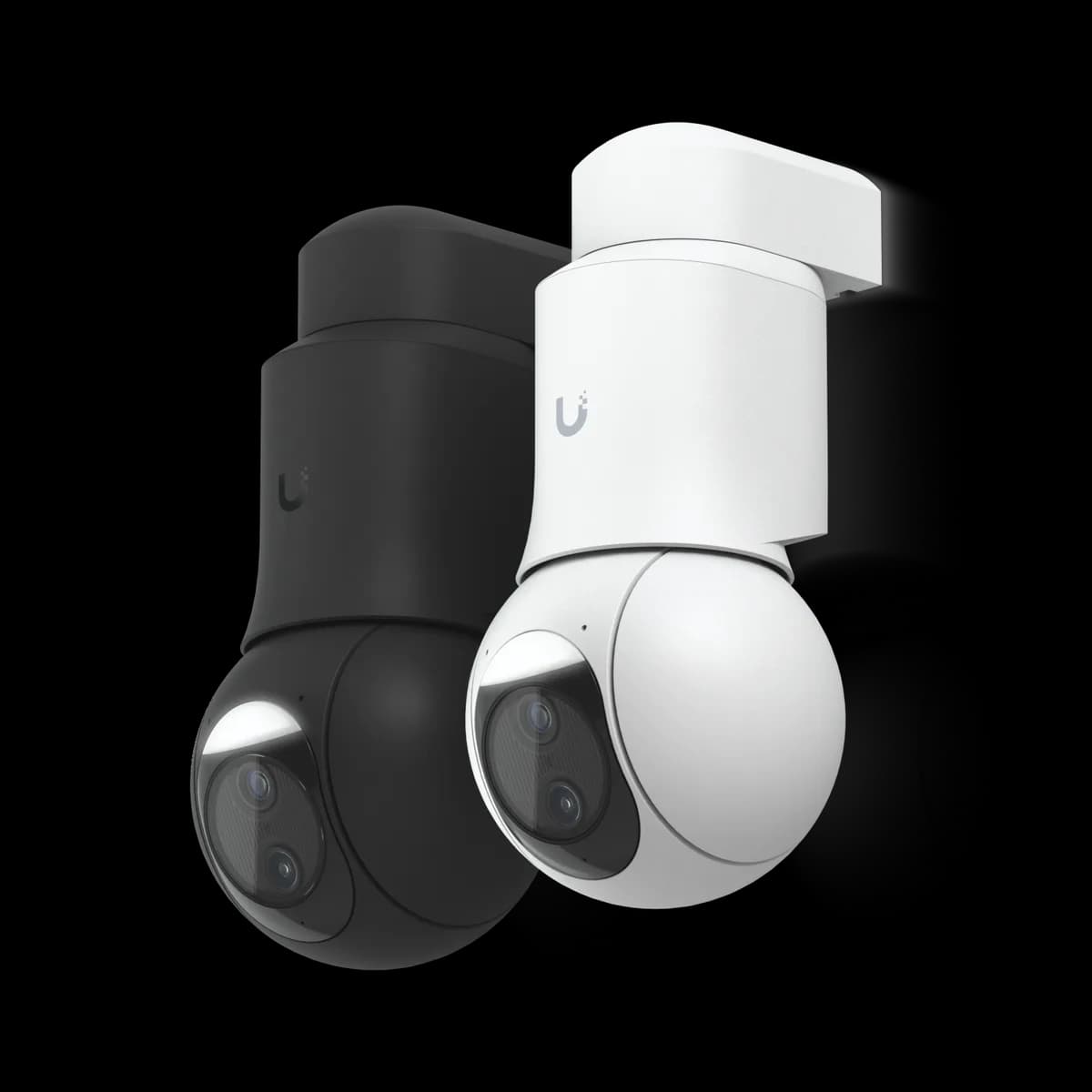
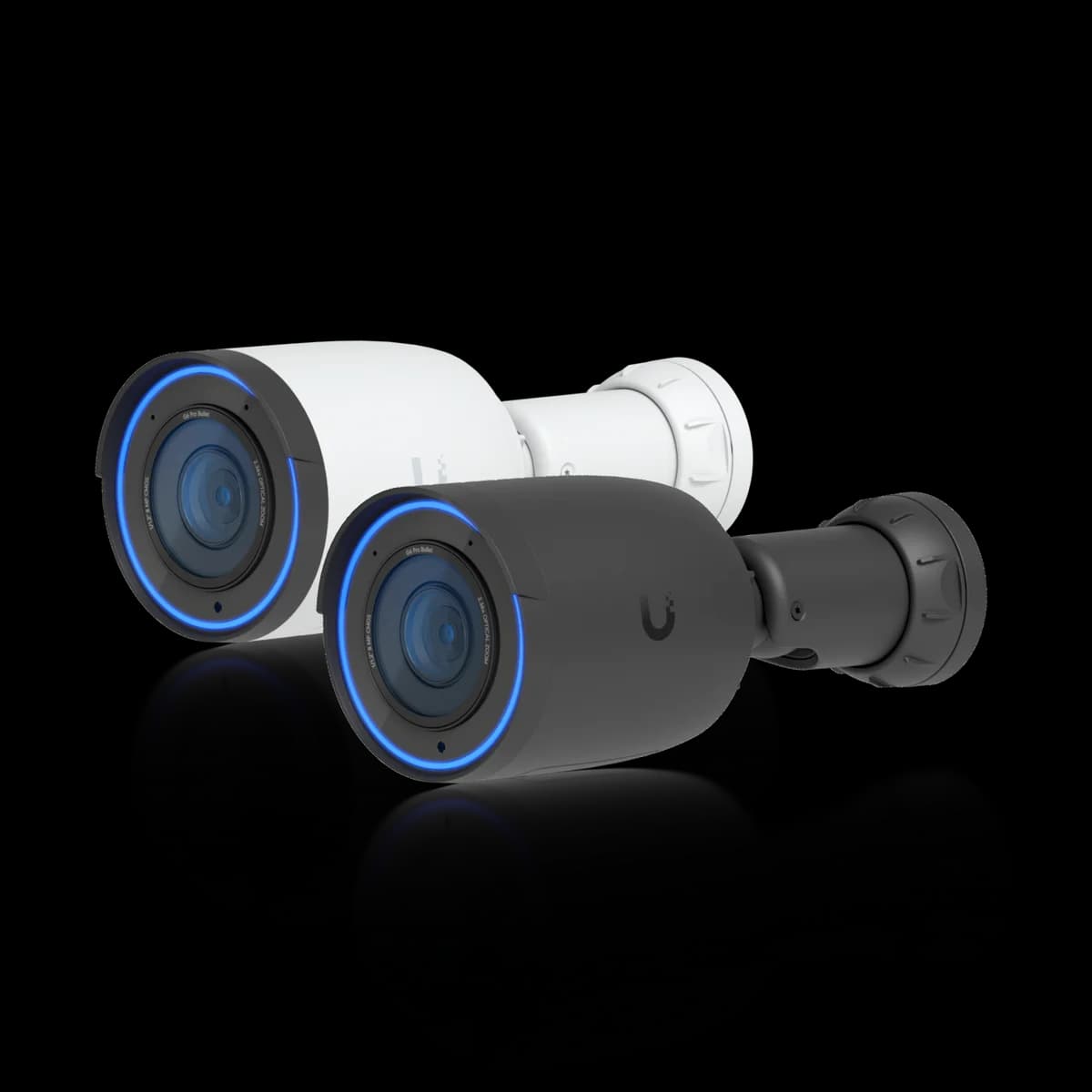
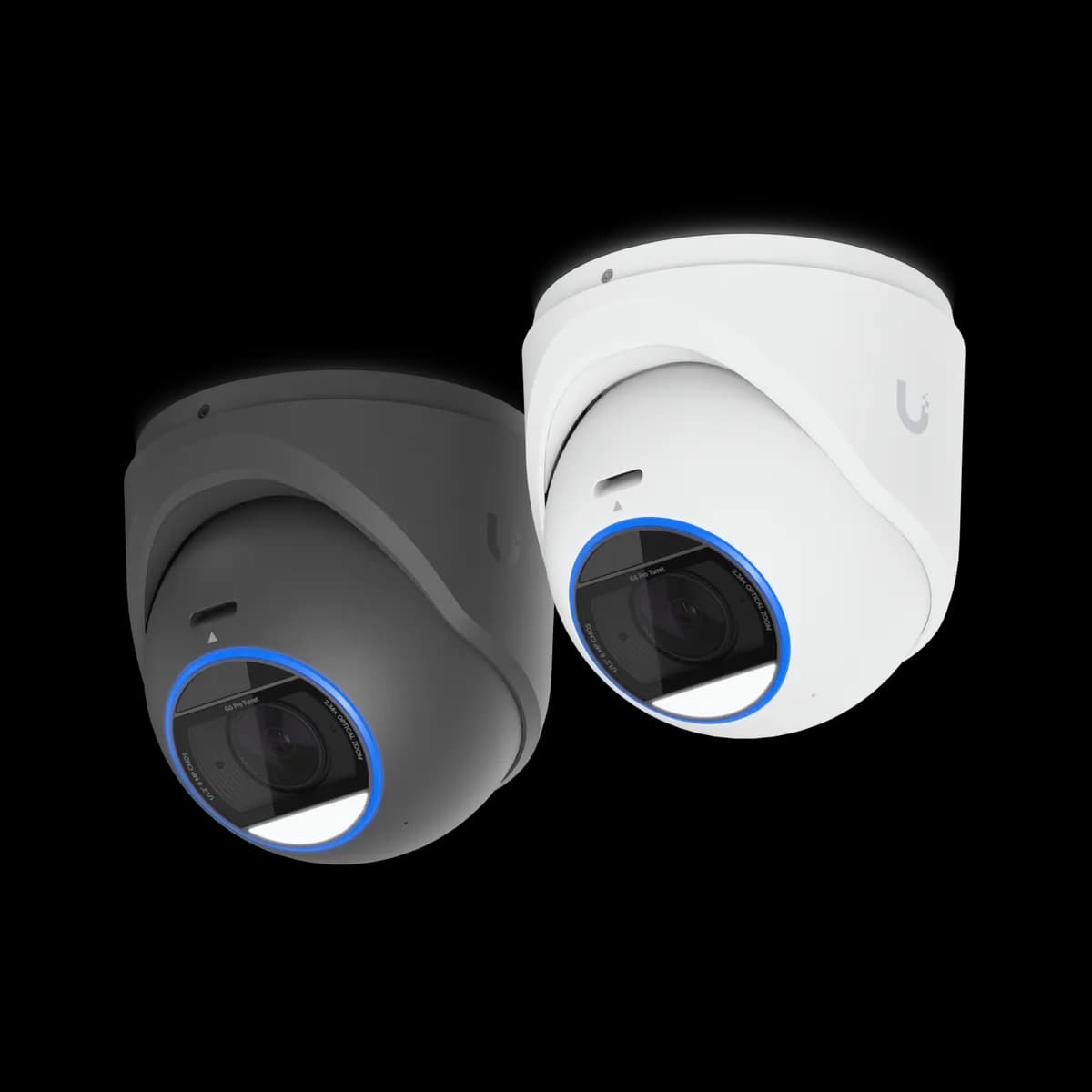
All four UniFi Protect G6 cameras share one 8MP 4K sensor and the same Multi-TOPS AI, so the choice is about form and placement. The G6 Instant ($179) is the indoor Wi-Fi camera; the G6 Bullet ($199) is the visible outdoor deterrent; the G6 Turret ($199) is the discreet outdoor eyeball, rated the coldest; and the G6 PTZ ($399) is the motorized camera with 10x hybrid zoom and auto-tracking for large areas. Match form factor, indoor versus outdoor, IR range, power, and recording to the site.

What a UniFi Protect Camera Does

What does a UniFi Protect camera do? A UniFi Protect camera captures 4K video and runs on-device AI to flag people, vehicles, and animals, then streams to a UniFi gateway or NVR running Protect that records and stores the footage. Every G6 camera shares a 1/1.8-inch 8MP sensor, 4K at 30 fps, and the same Multi-TOPS AI. (G6 Bullet specs)

Because the sensor and the AI are common across the line, image quality is not the differentiator — a G6 Instant sees the same 4K detail as a G6 PTZ. What changes between models is the body, where it can mount, how far it sees at night, how it draws power, and whether it records on its own. Those are the levers this guide works through. Browse the full lineup on the Security Cameras hub.

The Things That Decide Your Camera

How do I choose? With the image quality equal, five things decide it: form factor (indoor compact, outdoor bullet, outdoor turret, or motorized PTZ), indoor versus outdoor rating, IR night range, power and connectivity (Wi-Fi and USB-C versus PoE), and on-board storage. The G6 Bullet and G6 Turret split on body and climate; the G6 PTZ adds movement.

Form factor drives placement: the indoor G6 Instant is a compact desk or shelf camera, the G6 Bullet is a visible cylindrical deterrent, the G6 Turret is a discreet eyeball that tucks under an eave, and the G6 PTZ is a motorized head that pans, tilts, and zooms. IR night range is the next divider — the Instant reaches 6 m (20 ft) while the three wired models reach 30 m (98 ft). (G6 Turret specs)

Power and connectivity separate the Wi-Fi Instant from the wired trio, and storage decides whether you need a recorder on day one. Both are big enough to get their own sections below. The two fixed outdoor bodies are weighed directly in G6 Bullet vs G6 Turret.

Indoor vs Outdoor: IPX5 Instant vs the IP66 Trio

Which can go outside? Three of the four. The G6 Bullet, G6 Turret, and G6 PTZ carry an IP66 weatherproof rating for full outdoor exposure. The G6 Instant is rated only IPX5 — splash-resistant, not weatherproof — so it is an indoor camera. Do not mount the Instant in the rain. (G6 Instant specs)

This is the sharpest line in the lineup, and it is easy to get wrong because all four look rugged. IPX5 means the G6 Instant shrugs off a splash, but it is not built to sit on an exposed wall through winter — Ubiquiti rates it for indoor use, -20 to 40 °C. The G6 Bullet, G6 Turret, and G6 PTZ are genuine IP66 outdoor cameras.

Cold rating splits the outdoor three. The G6 Bullet is rated to -20 °C, while the G6 Turret and G6 PTZ reach -30 °C — the widest cold margin in the line. In a hard-winter climate that 10 °C difference is the safer spec; in a temperate one it is a non-issue and the choice falls back to form factor, as G6 Bullet vs G6 Turret lays out.

The Four G6 Cameras at a Glance

The four that cover most installs. The G6 Instant ($179) is the indoor Wi-Fi camera with on-board microSD; the G6 Bullet ($199) is the visible outdoor deterrent; the G6 Turret ($199) is the discreet outdoor eyeball, rated coldest; and the G6 PTZ ($399) is the only motorized camera, with 10x hybrid zoom and auto-tracking. (G6 PTZ specs)

Three of the four are fixed cameras pointed once and left. The G6 Instant is the indoor pick: Wi-Fi and USB-C power mean no Ethernet run, and a microSD slot lets it record without a recorder, but the IPX5 rating and 6 m IR keep it indoors and close-range. The G6 Bullet and G6 Turret are the same $199 outdoor camera in two bodies — visible deterrent versus discreet eyeball — both with 30 m IR and IP66 weatherproofing. The indoor-versus-outdoor call between the first two is mapped in G6 Instant vs G6 Bullet.

The G6 PTZ is the outlier. It is the only camera that moves: dual wide and tele lenses, 10x hybrid zoom, and motorized 350° pan / 100° tilt with auto-tracking, so one unit can sweep a whole forecourt. That capability costs $399 — roughly double the fixed cameras — and 24.5 W of PoE+. The fixed-versus-motorized trade-off is the subject of G6 Turret vs G6 PTZ.

Pick by Scenario

Match the camera to the job. Indoors, or a rental with no Ethernet: the G6 Instant. A visible outdoor deterrent on a wall or pole: the G6 Bullet. A discreet outdoor camera under an eave, or a cold climate: the G6 Turret. A large yard or lot you want to sweep and zoom from one mount: the G6 PTZ.

For an indoor room, a small business interior, or a rental where running cable is impractical, the G6 Instant is the only fit here — it is the lineup's sole indoor and Wi-Fi camera, and its microSD slot can stand in for a recorder. Step outside and the decision becomes body and climate: the G6 Bullet when you want the camera seen on a soffit or pole, the G6 Turret when you want it to disappear under an eave or you face hard winters. G6 Bullet vs G6 Turret settles that pair.

Reach for the G6 PTZ only when you have a large open area — a yard, a lot, a forecourt — that no single fixed view covers, and you want to pan, zoom, and auto-track from one mount. Be honest about the gap, though: a PTZ watches one direction at a time, so one PTZ does not replace a ring of fixed cameras for continuous all-angle coverage. The common build pairs a PTZ for the overview with fixed Bullets or Turrets on the entries, a trade-off detailed in G6 Turret vs G6 PTZ.

How a Camera Pairs With Your Switch and Gateway

A UniFi Protect camera is one piece of a system, not the whole thing. The three wired models — the G6 Bullet, G6 Turret, and G6 PTZ — uplink to a PoE switch that carries both power and data over one Ethernet cable, and that switch connects to a gateway or NVR running UniFi Protect that does the recording and the AI processing. Only the Wi-Fi G6 Instant skips the switch, drawing 7 W from a USB-C adapter instead.

PoE budget is where the camera and switch have to agree. The G6 Bullet (9.9 W) and G6 Turret (12.5 W) run on standard PoE — Ubiquiti lists no 802.3 class for either, and a normal UniFi PoE switch port powers them easily. The G6 PTZ is the exception: it draws 24.5 W and requires PoE+ (802.3at), so confirm the port supplies it before you buy. If you are sizing that switch for a run of cameras, how to choose a UniFi switch covers PoE budget and port count.

Storage decides whether the recorder is optional. The G6 Instant and G6 PTZ have a microSD slot (up to 1 TB) and can record locally, but the G6 Bullet and G6 Turret have no on-board storage — their footage has to land on a UniFi gateway or NVR running Protect, which is not optional for those two. Size that recorder alongside the cameras: how to choose a UniFi gateway walks through Protect storage and how many cameras a gateway can record. Plan the gateway and switch first, then pick the cameras.

Frequently Asked Questions

Effectively yes. The G6 Instant, Bullet, Turret, and PTZ all use a 1/1.8-inch 8MP sensor, record 4K at 30 fps, and run the same Multi-TOPS AI for person, vehicle, and animal detection. The image is not the differentiator — they differ in form factor, weather rating, IR range, power, and on-board storage, not in picture quality.

The G6 Instant. It is the only indoor model in the G6 line, rated IPX5 (splash-resistant, not weatherproof) and powered over Wi-Fi and USB-C so it needs no Ethernet run. The G6 Bullet, G6 Turret, and G6 PTZ are IP66-rated outdoor cameras. Do not mount the G6 Instant outdoors in the weather.

The G6 Instant and G6 PTZ have a microSD slot (up to 1 TB) and can record locally without a separate recorder. The G6 Bullet and G6 Turret have no on-board storage, so they require a UniFi gateway or NVR running Protect to record. Plan that recorder and its storage as part of the buy.

Only the G6 PTZ, which draws up to 24.5 W and requires 802.3at (PoE+). The G6 Bullet (9.9 W) and G6 Turret (12.5 W) run on standard PoE, which any UniFi PoE switch port supplies. The G6 Instant does not use PoE at all by default — it draws 7 W from a USB-C adapter.

Not for continuous coverage. The G6 PTZ pans, tilts, and zooms, but it watches one direction at a time, so it cannot record every angle at once the way a ring of fixed cameras does. The usual build pairs a PTZ for the wide overview and zoom with fixed G6 Bullets or Turrets covering the fixed entry points.

It depends on the gateway model and the storage attached to it, not on the cameras. A UniFi gateway or NVR running Protect records the camera streams and stores the footage, and higher-tier recorders support more cameras and larger drives. Size the gateway and its Protect storage to your camera count using the gateway buying guide before you buy the cameras.